


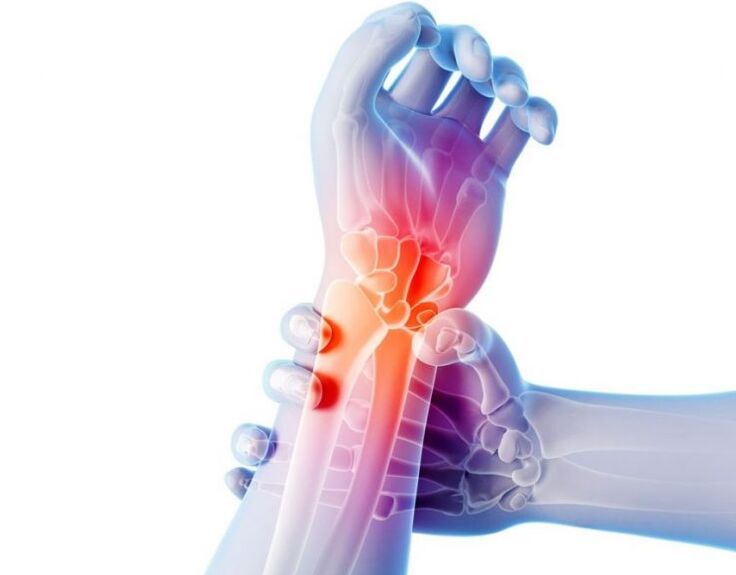
Joint damage from osteoarthritis is progressive.Pain, mobility difficulties and general unpleasant symptoms gradually increase.Without adequate and comprehensive therapy, irreversible changes quickly occur in the form of deformation of bone joints and loss of working capacity.Comprehensive treatment of arthrosis with special and non-drug medications is a prerequisite for stopping the destruction of joints and restoring their functionality.
What is osteoarthritis and why does it occur?
Osteoarthritis is a chronic degenerative dystrophic pathology of the joints with multiple lesions in nearby tissues.It is progressive, non-inflammatory and develops gradually over several years.It mainly affects women over 50 years of age.
The causes of the disease lie in the degradation of cartilaginous tissue, which, due to the natural aging of the body, begins to decompose.
Unfavorable internal and external factors contribute to this process:
- poor heredity;
- congenital anomalies of the musculoskeletal system;
- untreated and advanced arthritis;
- intense physical activity associated with work or professional sports;
- autoimmune and metabolic disorders;
- joint injuries and surgical operations;
- excess weight and bad habits;
- sedentary lifestyle.
Osteoarthritis affects almost all mobile joints that bear the greatest load throughout life - ankles, knees, hips, elbows, shoulders, hands, toes, cervical spine and even jaw.There is a gradual destruction of the articular joints, accompanied by pain during movements, external deformation, muscle and vascular spasms and general malaise.
The disease is subject to complex therapy, without which it quickly leads to loss of performance and disability.
Principles of treatment for osteoarthritis
Osteoarthritis, unlike arthritis, occurs exclusively in a chronic form.Therefore, the answer to the question of whether arthrosis can be cured is unequivocal - the pathology cannot be completely cured.But thanks to constant and timely maintenance therapy, it is possible to achieve a stable and long-term remission.It is important to consult a doctor (arthrologist, orthopedist, rheumatologist) at the first signs and undergo an examination, on the basis of which an effective treatment regimen is selected.
Osteoarthritis therapy has several important goals:
- relieve painful symptoms and accompanying discomfort;
- restore joint functionality;
- maintain mobility and the ability to work until old age;
- prevent bone deformations and serious complications;
- stabilize general well-being.
Regardless of the form of the disease, two treatment approaches are used:
- medicinal (medicinal)– preparations of symptomatic and therapeutic action in the form of tablets, powders, solutions, ointments, creams, intramuscular and intra-articular injections;
- non-pharmacological– traditional and alternative medicine, therapeutic exercises, diet, surgery.
The set of techniques is selected individually in accordance with the clinical picture, stage of the disease, age and well-being of the patient.Medications and procedures are prescribed by the attending physician based on the diagnostic results.Self-medication of joint pathology is unacceptable.
Drug treatment of joint arthrosis
Joint arthrosis at almost all stages can be treated conservatively with the help of various medications.Systemic and local medications are used directly on the affected area.The choice depends on the severity of the disease and the severity of the clinical picture.
Medicines from different pharmacological groups are used:
- anti-inflammatories and analgesics;
- chondroprotectors and hyaluronic acid;
- corticosteroids;
- vasodilators and muscle relaxants;
- vitamin complexes.
In the presence of arthrosis pathology, therapy is quite long and supportive measures are prescribed on an ongoing basis.
Anti-inflammatories and analgesics
Nonsteroidal anti-inflammatories and analgesics form the basis of antiarthrosis therapy.They are prescribed regardless of the form and degree of joint damage.
- NSAIDs are designed to relieve inflammation and moderate pain.Pills and injections are used.Medicines in the form of ointments, gels and creams are effective in the initial stage of the disease.
- Painkillers help deal with mild to moderate pain.
Medicines in these groups are administered in short courses due to the presence of side effects.
Chondroprotectors and hyaluronic acid
What to do with arthrosis in case of partial destruction of cartilaginous tissue?A course of chondroprotective medications is recommended to prevent complete degradation of the joints.The chondroitin and glucosamine they contain improve functionality and metabolism.
The knee and hip area is treated with several cycles of intra-articular injections.
Hyaluronic acid injections can provide auxiliary assistance, particularly in gonarthrosis.
Sodium hyaluronate creates a protective layer on damaged cartilage, replenishes the lack of synovial fluid, reduces trauma and increases the motor functionality of the joints.
You cannot expect a quick healing result from these medicines.Used exclusively as maintenance therapy.
Corticosteroids
Corticosteroid hormones are indicated in cases of severe pain and inflammation.Most often used in stages 3-4 of the disease due to the ineffectiveness of previous groups of drugs.
No more than three injections are allowed during the treatment period.With a favorable clinical picture, the positive result lasts for several months.
Vasodilators and muscle relaxants
Osteoarthritis often causes local deterioration of blood circulation, spasm of muscles and blood vessels and leads to congestion.
To improve blood flow, alleviate muscle hypertonicity and facilitate mobility, the following are used:
- vasodilators;
- muscle relaxants.
The listed medications are not always needed, only if the degenerative-dystrophic process has spread to nearby tissues.The treatment is carried out carefully, with strict dosage and constant medical monitoring.
Vitamin complexes
To improve cellular metabolism in joints, it is recommended to take vitamins.Useful microelements prevent the destruction of cartilage tissue, prevent serious complications, reduce the frequency of relapses and normalize the general condition.
Vitamin complexes are prescribed for preventive and supportive purposes:
- a complex containing more than 20 vitamins and minerals necessary for the formation of muscle and bone tissue;
- a neurotropic medicine with a set of B vitamins (B1, B6, B12);
- complex of 8 B vitamins with added calcium, magnesium and zinc;
- a mineral and vitamin preparation with a high calcium content, which acts as a building material for bone tissue.
Medicines in this group increase the body's resistance to various diseases, physical and mental activity and prevent vitamin deficiency.
Non-drug therapy
A non-drug approach is an equally important component in the treatment of joint osteoarthritis.Auxiliary techniques are based on the achievements of traditional and alternative medicine, as well as simple and at the same time effective things like proper nutrition and moderate physical activity.
In total they are:
- accelerate rehabilitation;
- extend the period of remission;
- prevent complications;
- improve general well-being.
As a last resort, surgery is used to maintain mobility.
How to treat osteoarthritis - popular recipes
Traditional medicine has a large number of recipes for all forms and stages of arthrosis.They are based exclusively on the use of natural ingredients of plant and animal origin.Medicines are prepared at home from products familiar to many, but they are absolutely simple and affordable.
Regardless of the location of the joint pathology, the following remedies will help:
- Compresses from burdock leaves, white cabbage, aloe.Wash the fresh leaves and crush them a little to release the juice.Apply to the painful area at night.
- Ginger root compress to warm and stimulate blood circulation.Grate the root and wrap it around the painful joint with a clean cloth.
- Baths with soda salt solution for extremities.Mix 3 tablespoons of baking soda and table salt and dissolve in water at 40 degrees.Hold your hand or foot in the basin for 15 to 20 minutes and wrap it in heat.
- Rub with honey and mumiyo.Prepare a mixture of 1 teaspoon of mumiyo and 100 g of natural honey.Rub into the painful area with light massaging movements.
- Blue clay compress.Dissolve the dry powder in water, apply it to a piece of cotton cloth, apply it to the joint for 2 hours, wrapping it with a bandage and film.
- Dandelion decoction.2 teaspoons.Boil dry dandelion leaves and roots in a glass of water in a bathhouse for 10 minutes and let it cool.Drink the medicine 1/3 tablespoon.3 times a day.
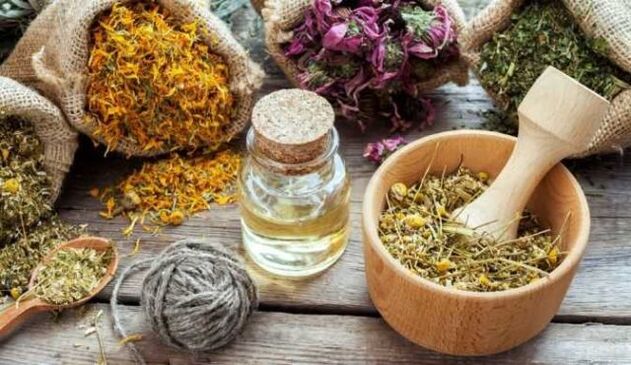
Folk remedies help to cope with painful symptoms and relieve osteoarthritis, but they do not replace medications.
Tibetan medicine methods for joints
Tibetan healers and healers give a leading role to physiotherapy and manual techniques.
Let's look at some of the most effective ways to treat osteoarthritis:
- reflexology (acupuncture, acupuncture)– impact on biologically active points of the human body through the introduction of special thin needles, used to relieve pain and improve tissue metabolism;
- acupressure (acupressure)– massage by pressing certain points on the body responsible for the health of each individual organ or area;
- vacuum massage- with the help of glasses or a special device, a targeted effect is carried out on the pathological area, improving blood circulation, lymphatic drainage, eliminating congestion;
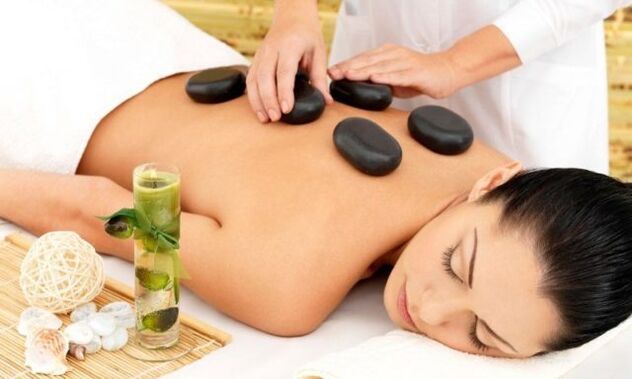
- stone therapy– massage with hot stones of volcanic origin, promoting the flow of nutrients and oxygen to tissues, stimulating metabolic processes.
As a result of the use of Tibetan procedures, degenerative-dystrophic changes in the joints are slowed down, natural regeneration is activated and general health of the body occurs.
Treatment of osteoarthritis with stem cells
Cell therapy is a new way to restore joint structure using stem cells that trigger regenerative processes in cartilage.The patient's autologous (own) material, isolated from adipose tissue, bone marrow or umbilical cord blood, is used as “medicine”.Sometimes donated material is taken from a relative or cells from an aborted fetus.
The procedure is as follows:
- The collected material is sent to the laboratory for stem cell cultivation.The process takes from 7 days to 2 months.
- The finished substance is injected into the joint in a minimally invasive or surgical manner.The course is selected individually and can last from 10 days to several months.
Positive results are visible after the first procedure.Pain is reduced and mobility improves.Gradually, the cartilage structure is restored, metabolism is normalized and complete regeneration of the joint occurs.The therapeutic effect lasts up to 5 years.The treatment allows you to avoid surgery in the early stages;in advanced cases it is ineffective.
Proper nutrition
The condition of the musculoskeletal system largely depends on the body's metabolism.A balanced diet can normalize metabolism and improve joint condition.During the treatment of arthrosis, and preferably forever, it is recommended to follow a special diet.
The daily diet should include:
- rabbit meat, chicken, turkey as an important source of protein;
- vegetables and fruits rich in fiber and vitamins (zucchini, cauliflower, apples, bananas, limit citrus fruits);
- marine fish containing omega-3 fatty acids (tuna, cod, salmon);
- buckwheat, rice, oatmeal, durum wheat pasta;
- fermented dairy products rich in calcium (kefir, yogurt, low-fat cottage cheese);
- legumes, nuts, bran;
- flaxseed, olive oil, sesame oil;
- aspic (jelly) based on bone broth and gelatin, replenishing collagen reserves.

From the offered products, you can prepare a wide variety of delicious dishes by steaming, baking, boiling or stewing.You can't eat fried foods.
To benefit your joints, you should avoid:
- fatty meats and sausages;
- baked goods and sweets;
- take home and store canned food;
- semi-finished products and fast food;
- whole milk;
- table salt;
- alcoholic beverages.
With arthrosis of the lower limbs, it is necessary to monitor weight and avoid obesity, so as not to create additional stress on sore legs.It is recommended to drink at least 2 liters of clean water daily.Meals must be balanced and regular.
How to cure osteoarthritis with exercise
Therapeutic exercises for arthrosis help restore joint mobility, expand range of motion and prevent serious deformities.It is used for all forms of joint pathology during the period of remission.
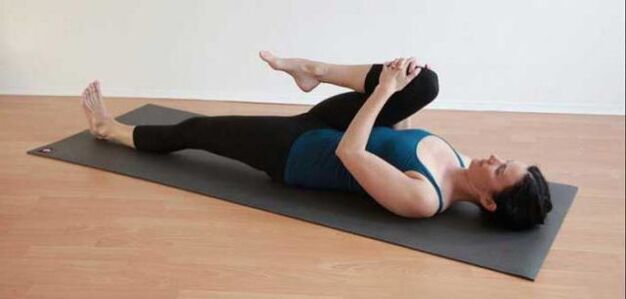
Depending on the location, different sets of special exercises have been developed:
- Ankle osteoarthritis
- With light movements, massage each finger individually, gradually moving to the feet;
- sit on a chair, slightly raise your leg and slowly turn your foot counterclockwise and clockwise;
- From the previous position, move your toe away from you and toward you.
- Hip joint
- squat at a right angle without lifting your heels off the floor;
- standing, make wide movements with your legs forward and back;
- perform the “Bicycle” and “Scissors” exercises known to everyone from the school curriculum in a supine position.
- Knee osteoarthritis
- kneel, sit on your heels and stand up, straightening your back;
- the aforementioned “Bicycle” exercise is equally useful for the knees;
- standing, close your legs, make circular movements with your knees in both directions;
- move slowly around the apartment in a squat, the so-called “goose walk”;
- When hands and fingers are affected
- make circular movements with your wrist in different directions;
- with your arms extended, close and unclench your fist strongly, opening your fingers like a fan;
- rotate a round object (ball) in your hands, rolling it in different directions.
- Shoulder and elbow area
- rotate your shoulders back and forth without bending your elbows;
- standing, stretch your arms upwards, as if you were trying to reach the ceiling;
- bend and straighten your arms at the elbow, stretching them in front of you with your palms facing up.

Home gymnastics must be performed carefully, listening to the body's reaction.If there is severe pain and the condition worsens, you should stop exercising.Any exercises are allowed only with the permission of a doctor.
Operation
Surgery is the last resort for treating osteoarthritis.Direct indications for surgery are the low effectiveness of conservative therapy, rapid deterioration in the condition of the joints and well-being.With significant deformation of bone joints and loss of mobility, surgery is the only life-saving method.
Depending on the condition of the joints, the following types of operations are used:
- arthroscopy– minimally invasive manipulation that involves the introduction of a device into the joint cavity to remove damaged cartilage or its fragments, as well as diagnose and treat pathological changes;
- arthroplasty– partial replacement and modeling of joint surfaces with the application of a cushion made of artificial material or the patient's own tissue between them;
- cheilectomy– joint-preserving surgery, in which osteochondral growths are removed;
- endoprosthesis– radical surgery to replace a non-functional joint with an artificial implant, restoring mobility for many years;
- arthrodesis– surgical immobilization of the joint for complete bone fusion if prostheses are not possible.
Surgery is often the only method that can prolong a patient's active life and prevent disability.
Conclusion
The answer to the question “Is osteoarthritis curable?”received – the disease is incurable due to its chronic course, but can be successfully treated with complex therapy.The right combination of medicinal and non-medicinal methods allows you to achieve long-term remission, get rid of unpleasant symptoms and maintain joint mobility for many years.It is only important to start treatment in a timely manner and constantly monitor your health.